SMS phishing (smishing) simulation
SMS phishing simulationthat texts back.
Real attackers don’t send one text and wait. They reply, they push, and they ask you to call. Living Security’s smishing simulation holds the whole two-way conversation, in each employee’s language, then coaches.
Security teams at




%20--%3e%3csvg%20version='1.1'%20id='Layer_1'%20xmlns='http://www.w3.org/2000/svg'%20xmlns:xlink='http://www.w3.org/1999/xlink'%20x='0px'%20y='0px'%20viewBox='0%200%20185.6%2073.2'%20style='enable-background:new%200%200%20185.6%2073.2;'%20xml:space='preserve'%3e%3cstyle%20type='text/css'%3e%20.st0{fill:%2300095B;}%20%3c/style%3e%3cg%20id='Ford_Script'%3e%3cpath%20class='st0'%20d='M185.5,22c0.2-0.4,0-0.6-0.5-0.6c-2.4,0-5.5,0-8,0c-0.6,0-0.9,0.1-1.2,0.6c-0.9,1.8-12.1,18.5-14.2,21.8%20c-0.4,0.5-0.8,0.4-0.8-0.1c-0.2-1.9-1.9-4.2-4.5-5.2c-2-0.8-4-1-6-0.7c-3.7,0.5-7,2.4-9.8,4.6c-4.3,3.3-8.1,7.6-12.9,10.7%20c-2.6,1.7-6.3,3.2-8.7,1c-2.2-2-1.9-6.5,1.4-10c0.3-0.4,0.8-0.1,0.7,0.3c-0.3,1.6,0.1,3.1,1.3,4.2c1.5,1.3,3.5,1.5,5.3,0.6%20c2.1-1,3.3-3.1,3.7-5.4c0.6-3.6-2.2-6.7-5.6-6.9c-2.8-0.2-5.5,0.8-8.1,2.9c-1.3,1.1-2,1.9-3.2,3.5c-0.3,0.4-0.7,0.4-0.7-0.1%20c0.1-4.6-1.7-7.1-5.5-7.2c-2.9-0.1-6,1.5-8.5,3.5c-2.7,2.1-5,5-7.5,7.7c-0.3,0.3-0.6,0.3-0.7-0.3c-0.1-3-0.8-5.9-2.2-8%20c-0.5-0.7-1.5-1.1-2.4-0.6c-0.4,0.2-1.8,0.9-2.8,1.7c-0.5,0.4-0.7,1-0.5,1.8c1.3,4.5,1,9.6-0.8,14c-1.7,4-4.9,7.5-8.8,8.8%20c-2.5,0.8-5.2,0.4-6.8-1.8c-2.2-3.1-1.3-8.5,2-12.9c2.9-3.9,7.2-6.4,11.4-8c0.5-0.2,0.6-0.5,0.5-0.9c-0.2-0.7-0.6-1.6-0.7-2.1%20c-0.4-1-1.5-1.2-2.8-1.1c-3.1,0.4-5.9,1.4-8.6,2.9c-7.2,3.8-10.8,11.3-12.4,15.3c-0.8,1.9-1.4,3.1-2.2,4.2c-1.1,1.4-2.6,2.7-5.2,5%20c-0.2,0.2-0.4,0.6-0.2,1c0.3,0.5,1.6,2.5,2,2.6c0.4,0.2,0.9-0.1,1.1-0.2c1.8-1.2,4-3.2,5.1-4.5c0.4-0.4,0.8-0.3,1,0.4%20c1,3.5,3.6,6.4,7.2,7.7c6.6,2.2,13.4-1,18.6-6.6c3.3-3.6,4.5-5.8,5.7-7.4c2.1-2.6,6.3-8.5,11.3-12.3c1.8-1.4,4-2.5,5.1-1.8%20c0.9,0.6,1.2,1.9-0.2,4.4c-5.1,9.3-12.6,20.3-14,22.9c-0.2,0.5,0,0.8,0.4,0.8c2.7,0,5.3,0,7.7,0c0.4,0,0.6-0.2,0.8-0.5%20c3.9-6.1,7.6-12,11.5-18c0.2-0.4,0.4-0.1,0.4,0.1c0.1,1.4,0.4,3.3,1.3,4.6c1.5,2.3,3.6,3.3,6,3.3c1.9,0,2.8-0.3,4.8-1%20c1.6-0.6,3-1.4,4-2.1c0.6-0.4,0.7,0.3,0.7,0.4c-0.9,4.9,0.2,10.6,5,13c5.8,2.8,12.1-1.2,15.8-4.8c0.4-0.3,0.7-0.3,0.8,0.4%20c0.1,1.4,0.7,3,1.8,4.2c3.1,3.1,9.2,1.9,15.5-2.9c4-3.1,8.2-7.4,11.9-12c0.1-0.2,0.2-0.5,0-0.7c-0.6-0.6-1.4-1.3-2-1.8%20c-0.3-0.2-0.6-0.2-0.9,0c-3.9,3.7-7.3,7.9-12.4,11.3c-1.7,1.2-4.4,2.1-5.6,0.5c-0.5-0.6-0.4-1.5,0.1-2.7%20C161.1,59.5,184.3,24.1,185.5,22z%20M154.9,51.7c0.1,0.3,0.4,0.5,0.7,0.7c0.1,0,0.2,0.1,0.1,0.4c-1,2.1-1.9,3.3-3.1,5.2%20c-1.1,1.7-2.4,3-4,4.3c-2.3,1.9-5.6,4-8.3,2.6c-1.2-0.6-1.7-2.3-1.7-3.6c0.1-3.8,1.7-7.7,4.9-11.5c3.8-4.7,8-7.1,10.8-5.8%20c2.9,1.4,1.9,4.7,0.7,7.3C154.8,51.3,154.8,51.5,154.9,51.7z'/%3e%3cpath%20class='st0'%20d='M17.2,71.8C8.6,71.8,1,66.5,0.1,57.2c-0.5-5.1,1-9.7,3.9-13.5c2.6-3.3,6.9-6.1,10.6-6.8%20c1.2-0.2,2.8-0.1,3.5,0.7c1,1.2,0.7,2.5-0.3,3.1c-2.8,1.4-6.2,3.9-7.9,7.2c-1.4,2.7-1.6,6,0.4,9.2c3.5,5.2,13.2,5.4,22.2-3%20c2.2-2,4.2-4,6.2-6.3c4-4.5,5.3-6.2,10.6-13.5c0.1-0.1,0.1-0.2,0.1-0.2c0-0.1-0.1-0.1-0.3-0.1c-3.5,0.1-6.6,1.1-9.6,3.4%20c-0.9,0.6-2.1,0.5-2.6-0.3c-0.6-0.9-0.2-2.1,0.8-2.8c4.8-3.3,10-3.9,15.4-4.8c0,0,0.4,0,0.7-0.4c2.2-2.8,3.9-5.4,6.2-8.2%20c2.4-2.9,5.4-5.5,7.7-7.5c3.2-2.8,5.3-3.7,7.4-4.9c0.6-0.3-0.1-0.6-0.2-0.6C63.1,5.5,50.8,2.6,39,7c-8.1,3-11.7,9.5-10,13.8%20c1.2,3.1,5.2,3.5,9,1.7c3.1-1.5,6-4,8.1-7.2c1.1-1.8,3.6-0.5,2.3,2.6c-3.4,8.1-10,14.5-18,14.8c-6.8,0.2-11.2-4.8-11.2-11%20c0-12.2,13.6-20.2,27.8-21.4c17.2-1.4,33.4,3.1,50.5,5.2c13.1,1.6,25.6,1.6,38.7-1.4c1.5-0.3,2.6,0.6,2.5,2.2%20c-0.1,2.3-1.9,4.4-6.2,6.8c-4.9,2.7-10.1,3.5-15.4,3.6c-13,0.1-25.1-5-37.6-7.7c0,0.5,0.2,1.2-0.3,1.5C72.3,15.7,66,20.9,61.8,28.2%20c-0.1,0.2-0.1,0.3,0.2,0.3c3.6-0.2,6.9-0.3,10.3-0.6c0.6,0,0.6-0.2,0.6-0.6c-0.3-2.5,0.4-5.4,2.6-7.4c2.3-2,5.1-2.3,7-0.8%20c2.1,1.7,1.9,4.7,0.8,6.9c-1.2,2.3-3.1,3.5-5,4.1c0,0-0.4,0.1-0.3,0.4c0.1,0.6,2.6,2,2.9,2.4c0.2,0.4,0.1,0.9-0.3,1.3%20c-0.3,0.3-0.7,0.6-1.2,0.6c-0.4,0-0.7-0.2-1.3-0.5c-1.1-0.6-2.6-1.6-3.6-2.9c-0.3-0.4-0.5-0.4-1.3-0.4c-3.7,0.2-9.4,0.8-13.3,1.2%20c-0.9,0.1-1.1,0.3-1.3,0.6c-6.2,10.2-12.8,21.3-20.1,28.6C30.6,69.6,24.1,71.7,17.2,71.8z%20M76.4,26.3c0.1,0.5,0.3,0.6,0.5,0.6%20c1.2-0.2,2.5-1.2,3.2-2.3c0.7-1,1-2.5,0.3-3.1c-0.6-0.5-1.6-0.4-2.4,0.3C76.6,23.1,76.2,24.9,76.4,26.3z'/%3e%3c/g%3e%3c/svg%3e)
%20--%3e%3csvg%20version='1.1'%20id='Layer_1'%20xmlns='http://www.w3.org/2000/svg'%20xmlns:xlink='http://www.w3.org/1999/xlink'%20x='0px'%20y='0px'%20viewBox='0%200%20300%20299.9'%20style='enable-background:new%200%200%20300%20299.9;'%20xml:space='preserve'%3e%3cstyle%20type='text/css'%3e%20.st0{fill:%23CC0000;}%20%3c/style%3e%3cpath%20class='st0'%20d='M0.1,150C0.1,67.1,67.2,0,150,0c82.8,0,150,67.1,150,150c0,82.8-67.2,150-150,150C67.2,299.9,0.1,232.8,0.1,150%20z%20M150,249.9c55.2,0,100-44.8,100-100c0-55.2-44.8-100-100-100C94.8,50,50,94.8,50,150C50,205.2,94.8,249.9,150,249.9z%20M200,150%20c0,27.6-22.4,50-50,50s-50-22.4-50-50s22.4-50,50-50S200,122.4,200,150L200,150z'/%3e%3c/svg%3e)
Why smishing simulation
Texts feel personal.Attackers know it.
A text lands on the phone in someone’s pocket, past the email filter, with a deadline attached. Test the text. Test the reply. Test the call that follows.
81%
of organizations had a phishing, vishing or smishing incident in the past year.Gartner, Sep 2026
74.8%
of risky behavior comes from 10% of the workforce.2026 Human Risk Report with the Cyentia Institute
Two-way texts
Texts that answer back.
Each simulation sends an opener, then reply turns that respond to what the employee writes, the way a real attacker pushes. Ask “who is this?” and the sender has an answer.
- A real back-and-forth, not a single message and a wait.
- In the employee’s language, so the test feels like the texts they really get.
- One text message channel: the platform delivers it the best available way and falls back safely.
Three lures
A link, a reply or a callback.
Smishing comes in three shapes. Test all three, and see which one each person falls for.
The teachable moment
Every tap ends in a teachable moment.
When someone taps the link, a mobile page tells them it was a simulation from their security team and shows what they should have noticed in the text they got. Nothing they type is stored.
- Built for the phone they tapped it on.
- The exact text, with the cues pointed out.
- A safe next step: report suspicious texts to your security team.
Text to call
If they call, a voice picks up.
A callback lure hands off into a voice phishing simulation on the same pretext. An AI caller answers, holds a real conversation, and reveals the simulation at the end, so one attack runs across text and voice the way real attackers work.
-
01
The text lands
“Call this number to cancel today.”
-
02
They reply or call
The pretext carries on, by text or by voice.
-
03
A caller answers
Same story, now on the phone.
-
04
Reveal and coach
Warning signs and safe next steps.
In their language
Every reply in the employee’s language.
A text in the wrong language is easy to spot and teaches nothing. The opener and every reply turn run in each employee’s own language, so the test feels like the texts they really get.
Try an attack on yourself
Get the text yourself.
A short SMS phishing simulation in your browser. No phone number, nothing collected. See the warning signs you spotted, and the ones to watch for next time.
+1 (555) 014-2290
Text message · not in your contacts
- Sender: Payroll: your direct deposit for Friday is on hold after a bank detail change. Confirm by 5 PM today or it moves to the next pay cycle: payroll-hr-portal.com/verify
Text message · A payroll text
What do you do?
Honest metrics
No fake open rate. Only what we measure.
A text has no reliable “open”, so we don’t report one. You see who tapped, replied, called or reported, and missing data shows as a dash. We keep the result, never the conversation.
- Results only: refused, reported, objective met.
- No stored conversations or transcripts.
- No invented numbers: nothing we can’t measure.
See a two-way smishing simulation run in your own program.
One loop
Every text counts toward risk.
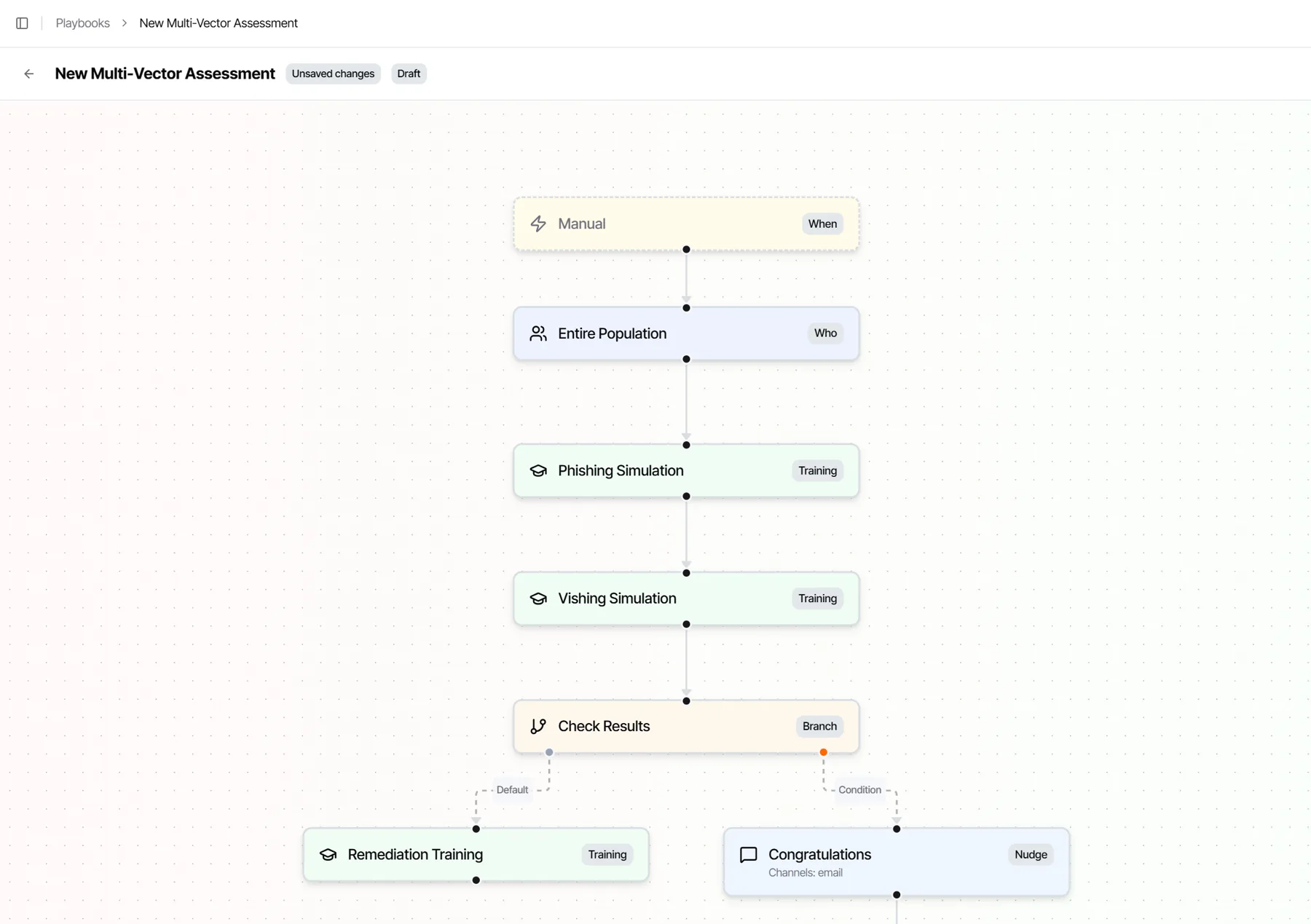
SMS phishing results feed the same Human Risk Index and playbooks as email and voice. A reported text steps the next test up. A tapped link triggers coaching and a follow-up, automatically.
- One risk profile per person, whatever the channel.
- Playbooks branch on the result, with no exports and no second console.
- Livvy proposes, you approve every launch.
Questions
SMS phishing and smishing simulation, answered.
What is smishing?
Smishing, or SMS phishing, is a text message from an attacker who pretends to be someone you trust, such as payroll, a delivery service or the help desk, to get you to tap a link, reply with information or call a number. Texts feel personal and urgent, and they reach people away from their email filters.
What is an SMS phishing simulation?
An SMS phishing simulation is a practice text message that tests how employees respond to a link, a request to reply, or a request to call a number. Living Security’s SMS phishing simulation carries on a two-way conversation in the employee’s language, ends in a teachable moment, and feeds the result into the Human Risk Index.
Do the texts reply to employees?
Yes. Each simulation sends an opener, then reply turns that respond to what the employee writes, the way a real attacker pushes. A callback lure (“call this number”) hands off into a voice phishing simulation on the same pretext.
How do you deliver the texts?
Through one “text message” channel. The platform delivers each message the best available way and falls back safely, so you set up one channel, not several.
What do you measure?
Only what we can actually measure: whether the employee tapped the link, replied, called, or reported the text. There is no fake “open rate” for texts, missing data shows as a dash, and we keep the result, never the conversation.
Would your people call the numberin the text?
See a two-way SMS phishing simulation, and watch every result feed the Human Risk Index.