.png)
Living Security
Webinars
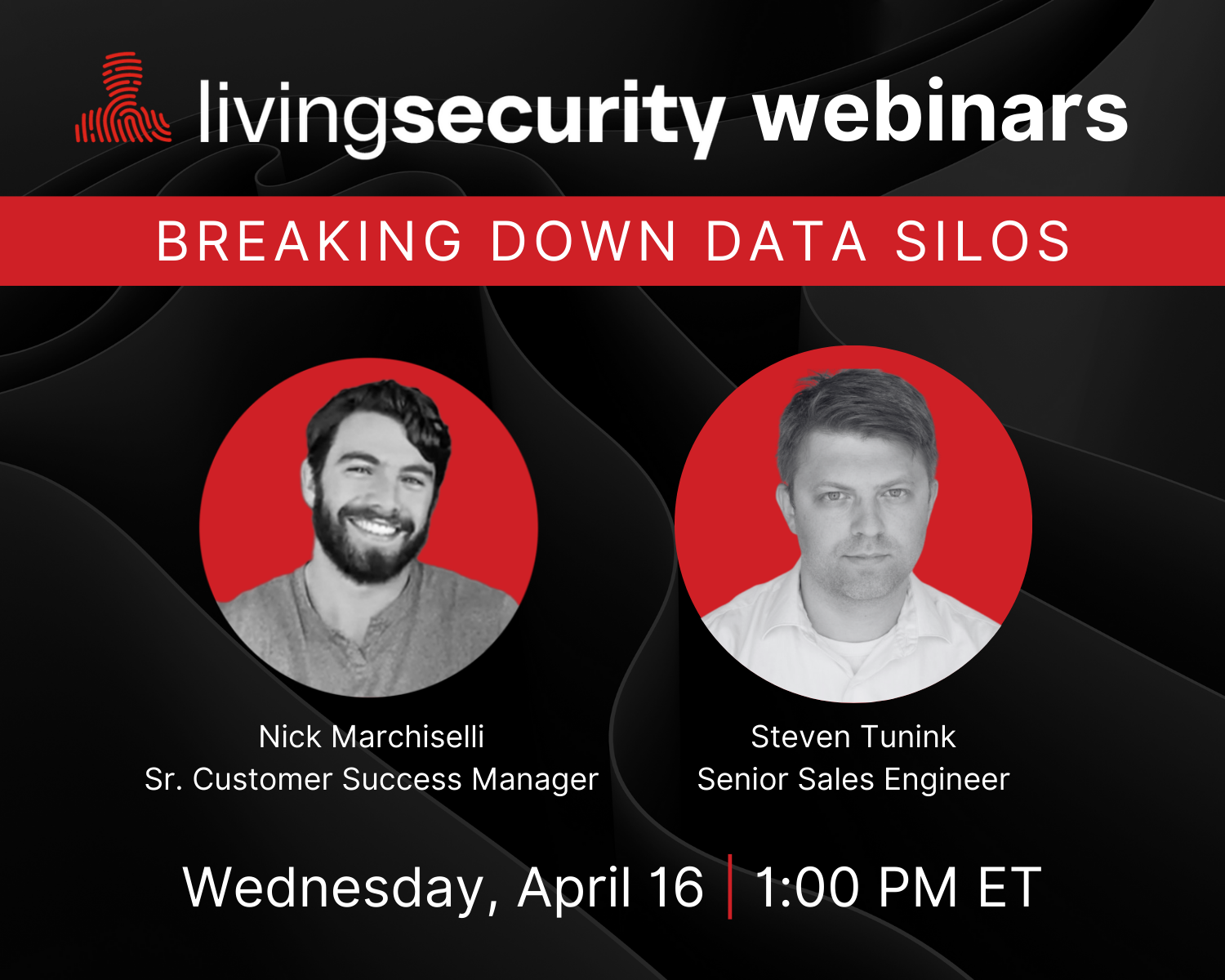
Upcoming webinar: April 16 Breaking Down Data Silos: Benchmarking Human Risk & Unlocking Contextualized Intelligence hosted by the Living Security Human Intelligence Team (HInT)
Living Security webinars are a free, educational resource exploring a wide range of Human Risk Management topics, offering actionable insights to help your organization stay secure and resilient. Whether you're interested in strategies to mitigate risks or best practices for fostering a strong security culture, there's a Living Security webinar for every security professional. Fill out the form to register for our next live webinar, or explore our library of on-demand sessions below.
Living Security Webinars
Living Security webinars are a free, educational resource exploring a wide range of Human Risk Management topics, offering actionable insights to help your organization stay secure and resilient. Whether you're interested in strategies to mitigate risks or best practices for fostering a strong security culture, there's a Living Security webinar for every security professional. Explore our library of on-demand sessions below.
Recent Releases

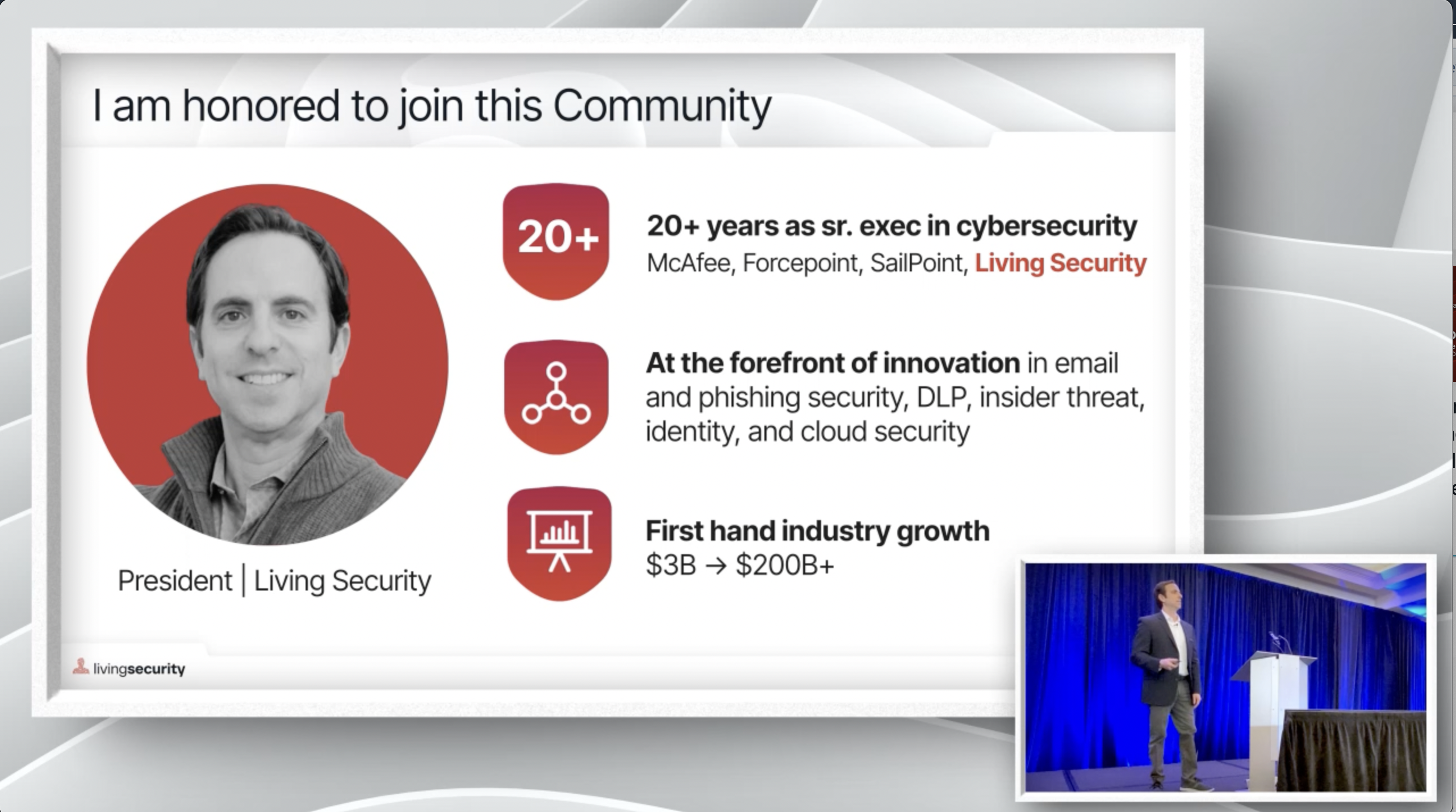
For six years, Human Risk Management Conference (HRMCon), has brought together the most influential voices in cybersecurity, human risk management, and adaptive defense to share real frameworks for reducing human risk at scale. From global CISOs and industry pioneers, to analysts and customer leads, HRMCon provides the tools and insights you need to turn visibility into action and action into resilience.
|
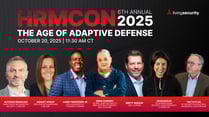
HRMCon 2025: The Age of Adaptive Defense |
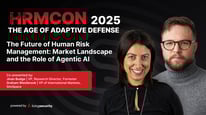
Jinan Budge & Graham Westbrook |
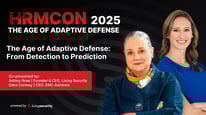
Ashley Rose & Edna Conway |
2024 Human Risk Management Conference |
 |
 |
 |
 |
| All sessions from HRMCon 2025: The Age of Adaptive Defense | The Future of Human Risk Management: Market Landscape and the Role of Agentic AI | The Age of Adaptive Defense: From Detection to Protection | Explore 19 sessions from Human Risk Management Conference |
Our Human Risk Management: Ask Me Anything series brings together the industry's top HRM experts with to focus on all things Human Risk Management with the broader cybersecurity community. Focusing on differentiated topics, this series helps security professionals to develop, implement, and grow successful HRM programs for their organizations.
|
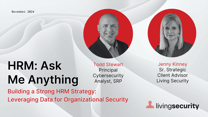
Todd Stewart, Salt River Project |
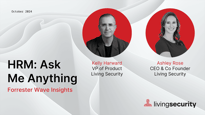
Kelly Harward, Living Security |
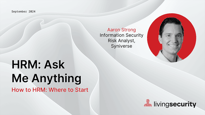
Aaron Strong, Syniverse |
Shawnee Delaney, Vaillance Group |
 |
 |
 |
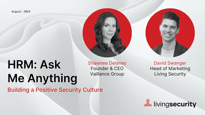 |
| Building a Strong HRM Strategy: Leveraging Data for Organizational Security | Forrester Wave™ Insights | How to HRM: Where to Start | Building a Positive Security Culture |
Explore featured webinars and keynote presentations from trusted industry thought leaders.
|
Mike Siegel, Living Security |
Jinan Budge, Forrester |
Sandy Evans, Living Security |
Kelly Harward, Living Security |
|
|
 |
 |
 |
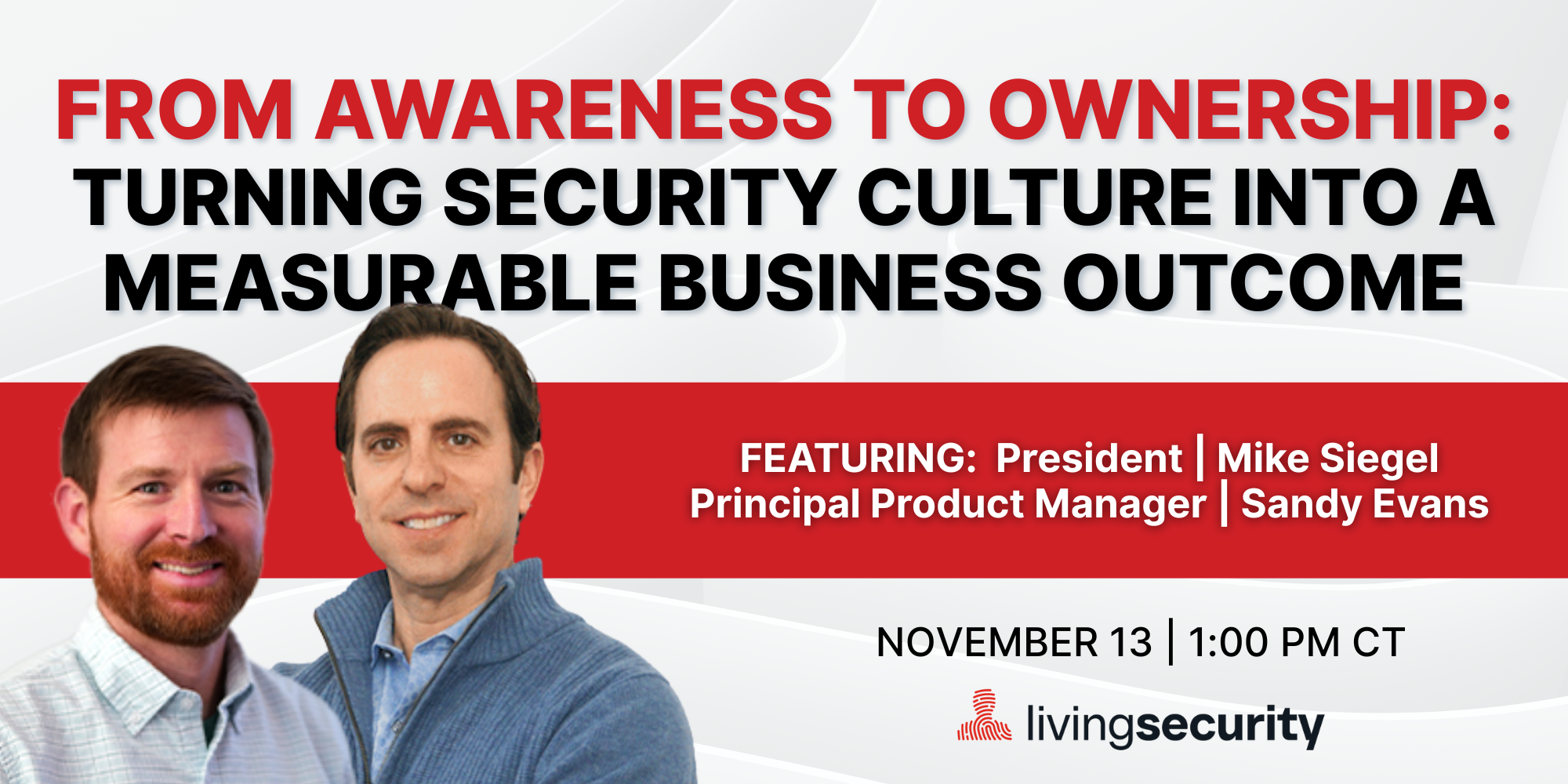
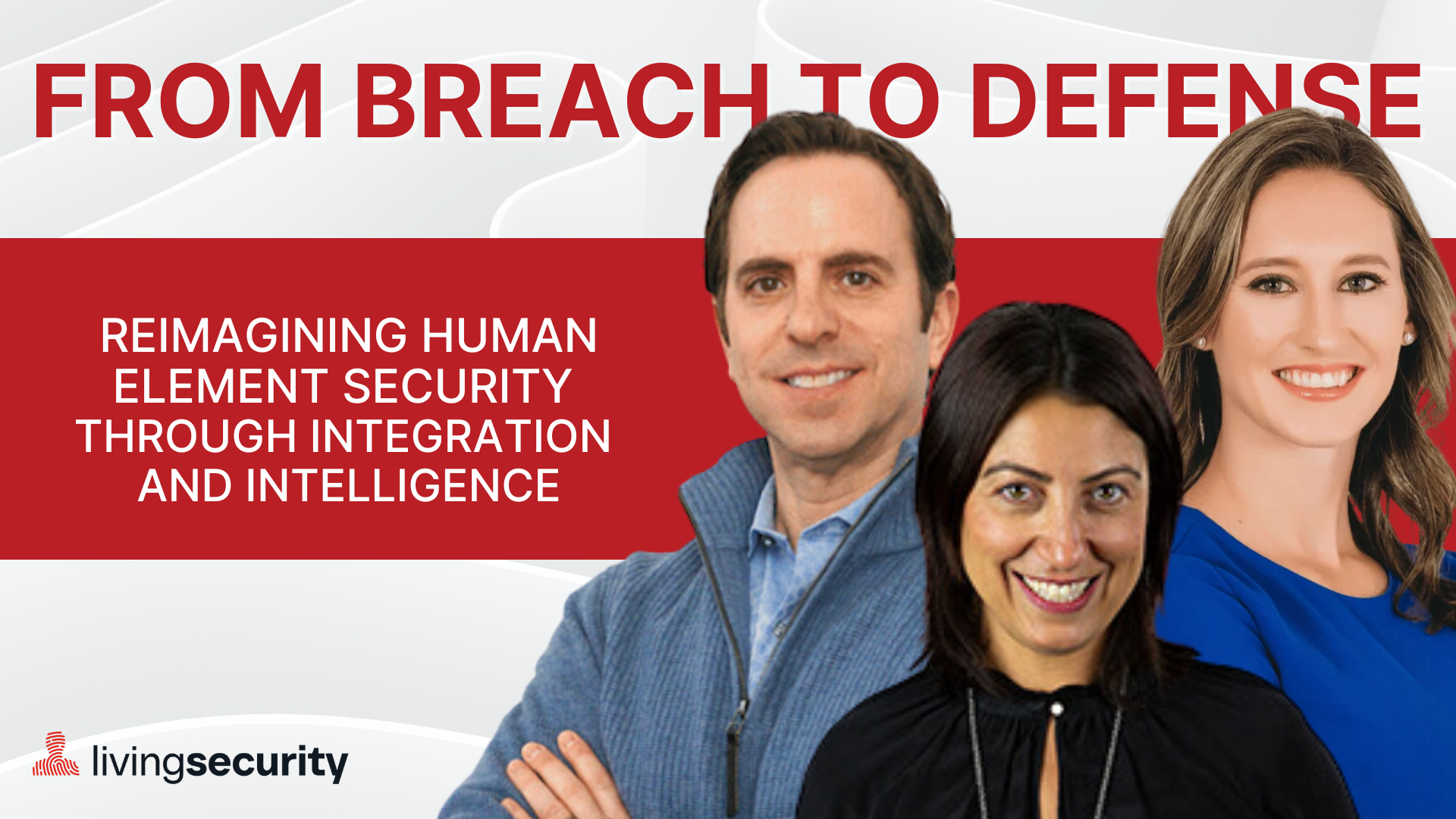
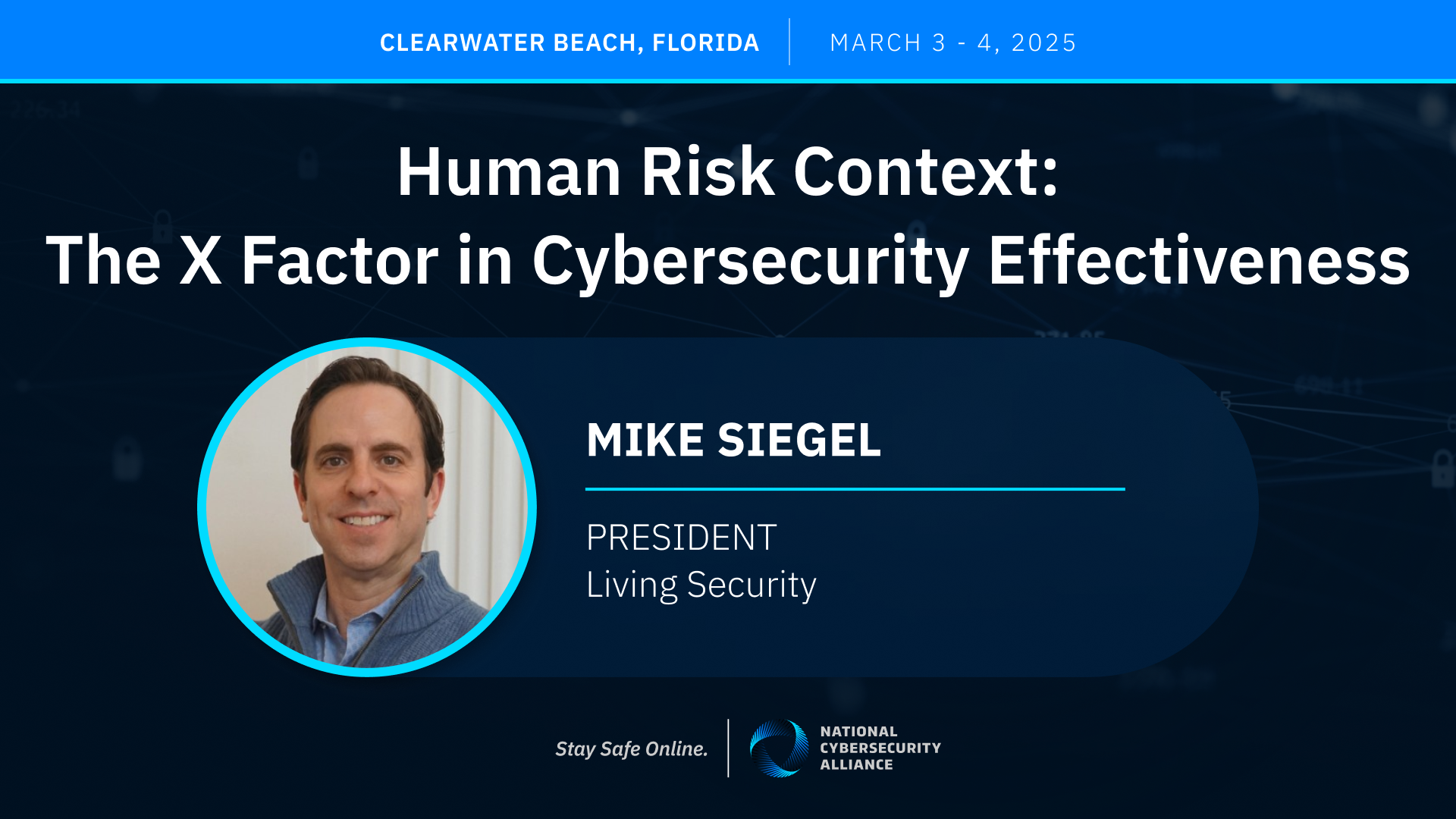
| Human Risk Context: The X-Factor in Cybersecurity Effectiveness | From Breach to Defense: Reimagining Human Element Security through Integration and Intelligence | From Awareness to Ownership: Turning Security Culture into a Shared Business Outcome | Introducing the Next Evolution of Human Risk Management |
Breakout Tracks |
|||
Human RiskQuantification |
Risk-BasedPolicy & Training Interventions |
Workforce Educationand Enablement |
PositiveSecurity Culture |
Quantifying Behaviors to Mitigate Human Risk in HRMChris Poirel, Living Security |
Targeting Awareness of Cyber Threats with Risk-Based Policies & Training InterventionsDavid Tunley, Rivian |
Hook, Line, and SinkerAaron Strong, Syniverse |
Building a Robust Security CultureTerry Smith, Blackbaud |
 |
 |
 |
 |
Human Risk Management 2.0Jon Brickey, Mastercard |
Empowring Your Human Firewall: Orchestration for Cyber Resilience and TrainingSandy Evans, Living Security |
How to Deepen Your Career in Security AwarenessCassie Clark, Consultant |
HRM's Role Cultivating a Positive Security Culture for your OrganizationShawnee Delaney, Vaillance Group |
 |
 |
 |
 |
The State of Human Risk QuantificationMaria Long, Violet Sullivan & Julian Sylvestro |
MindSecure: Elevating Cyber Resilience through Cyberpsychology and Organization SynergyAllen Ohanian, LA County |
Own Your Security Journey: Empower All Levels to Track Human Risk & Drive Continuous ImprovementErik Book, Living Security |
Borrowing Brilliance: What Security Awareness and Training Should Steal from MarketingMike Taylor, Nationwide |
 |
 |
 |
 |
Connecting Emerging Threat Intel to Human Risk QuantificationJosh Bartolomie, Cofense |
Evolving from Annual Security Compliance Training to Risk-Based Policy and TrainingMichele Kim, Fitch Ratings |
Using Human Risk Management to Drive Behavioral ChangeBrandy Harris, CyberEd |
Scorecards & Vigilance: Unleashing the Power of Your Workforce for a More Secure FutureNick Marchiselli, Living Security |
|
|
|
|


Brian Krebs
KrebsOnSecurity.com | Independent Investigative Reporter
Fireside Chat: What Breaches Teach Us
The daily drumbeat of data spills, breaches and thefts can foster breach fatigue, apathy and cynicism among even the most hardy security professionals. What sets in is a suspicion that all our efforts are for naught, and that we are perpetually a step behind the bad guys. In truth, most of these incidents are not only preventable, but they take months or years to bubble up. This fireside chat will examine some of the more alarming trends in cybercrime today, and offer some perspectives on how businesses, consumers and infosec pros can up their game in response.

About Brian
Brian Krebs is an independent investigative reporter who writes about cybercrime at the award-winning Web site KrebsOnSecurity.com.
Formerly with The Washington Post (1995-2009), Krebs is best known for breaking stories on high-profile data breaches, including those that hit Target, Home Depot, Michaels, Ashley Madison, and Capital One.
A frequent interviewee and public speaker, Krebs has been profiled by 60 Minutes, The New York Times, Poynter.org, and Business Week. Krebs’s book, Spam Nation: The Inside Story of Organized Cybercrime - From Global Epidemic to Your Front Door – is now a New York Times bestseller. More recently, he was invited to an “Ask Me Anything” discussion on Reddit about investigative reporting.
In January 2015, the National Press Foundation announced it was awarding Krebs its Chairman's Citation, an award designed to "recognize individuals whose accomplishments fall outside the traditional categories of excellence." In October 2014, the Association of Certified Fraud Examiners gave Krebs the "Guardian Award" an honor given annually to a journalist "whose determination, perseverance, and commitment to the truth have contributed significantly to the fight against fraud."
Krebs graduated in 1994 from George Mason University. Today, he lives with his wife Jennifer in Northern Virginia.

Living Security Blog
Employee Risk Reporting Dashboard: A Practical Guide
Learn how an employee risk reporting dashboard connects behavior, identity and access, and threat signals to prioritize action and measure risk reduction.





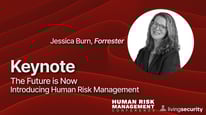
The Future Is Now: Introducing Human Risk Management. This is not just a name change. It is a significant change of mindset, strategy, process, and technology about how we approach an old problem in a new world.
Jinan Budge

Featured Speakers
Hear from cybersecurity thought leaders, sharing extended insights into the evolving Human Risk Management landscape.

Jinan Budge | Forrester
Jinan leads Forrester’s security and risk research in Asia Pacific. Jinan’s research focuses on enabling chief information security officers (CISOs) and technology executives to lead a high-performing security organization and culture. Jinan globally leads Forrester’s awareness, behavior, and culture coverage, using strategic and innovating thinking to shape the market. Jinan is also an advocate for diversity and inclusion in security. She focuses on ensuring that cybersecurity teams not only attract but also retain the best talent, and she brings a local and global perspective and cultural lens to her research and practice.
Watch Jinan's Most-Recent Session
Edna Conway | EMC Advisors
Edna Conway is a globally recognized cybersecurity and risk executive who has led security innovation at some of the world’s largest technology companies. As former Chief Security & Risk Officer for Microsoft Cloud Infrastructure and Cisco’s Global Value Chain, she built and scaled programs that safeguarded trillions in operations across five continents.
Now CEO of EMC Advisors, Edna advises global enterprises and governments on technology resilience, supply chain security, and human risk. She serves on multiple corporate and academic boards and has been honored among Fortune’s Most Powerful Women and the ISSA Hall of Fame.
Watch Edna's Keynote Presentation
Jess Burn | Forrester
Jess is a principal analyst at Forrester serving security and risk (S&R) professionals. She contributes to Forrester’s research on the role of the CISO with a focus on security talent management. Additionally, Jess covers incident response and crisis management, and email security.
Prior to her analyst role, Jess spent eight years as a principal advisor on Forrester’s Security & Risk Council. In this role, she was a trusted partner to a network of CISOs and S&R leaders, making and communicating critical decisions about and investments in their programs. Before she was an advisor, Jess led a Forrester Consulting practice focused on helping tech and service providers with their business and go-to-market strategies.
| Chris Poirel | Sandy Evans | Erik Book | Nick Marchiselli |
|
|
|
|
| Data-Driven Decisions: Quantifying Behaviors to Mitigate Human Risk in HRM | Empowering Your Human Firewall: Orchestration for Cyber Resilience & Training | Own Your Security Journey: Empowering All Levels to Track Human Risk & Drive Continuous Improvement | Scorecards & Vigilance: Unleashing the Power of Your Workforce for a More Secure Future |
The Future Is Now: Introducing Human Risk Management. This is not just a name change. It is a significant change of mindset, strategy, process, and technology about how we approach an old problem in a new world
Jinan Budge



Book a Demo
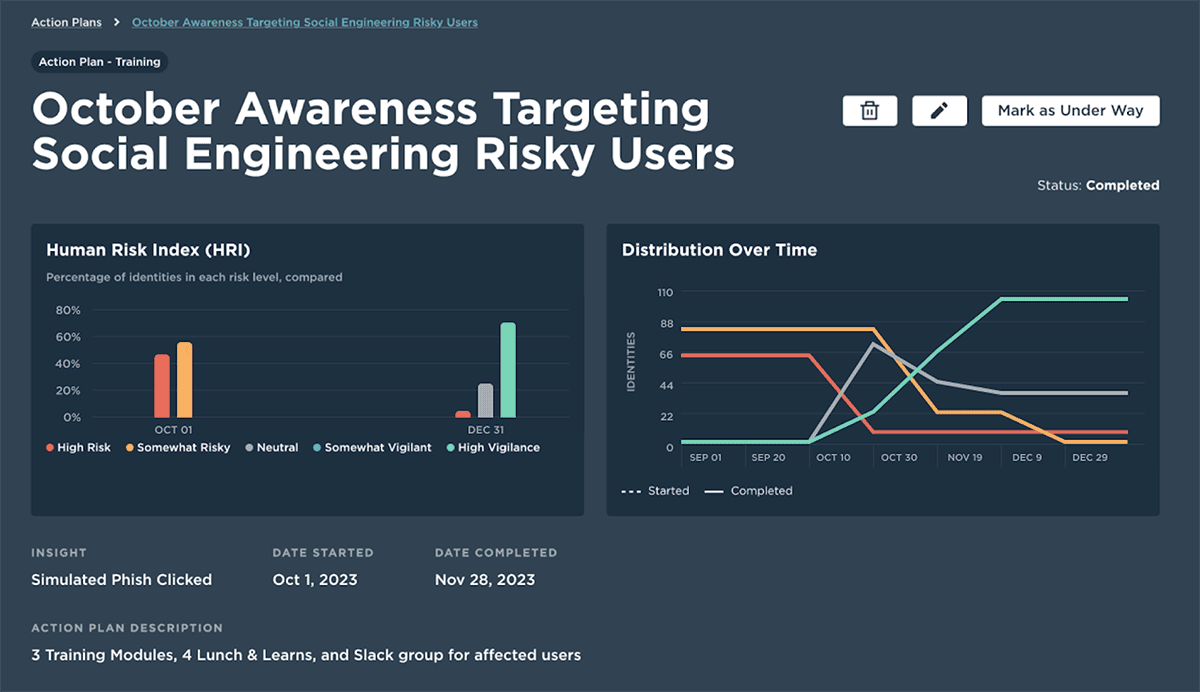

HRM Ask Me Anything
A monthly series bringing together the industry's top experts focusing on a variety of cybersecurity and human risk management topics.

Readiness Assessment
Living Security’s experts assess your organizations readiness to transition to comprehensive human risk management.

Schedule a Demo
See how your organization can easily identify groups with similar risks and protect with nudges, training, and policy updates.


