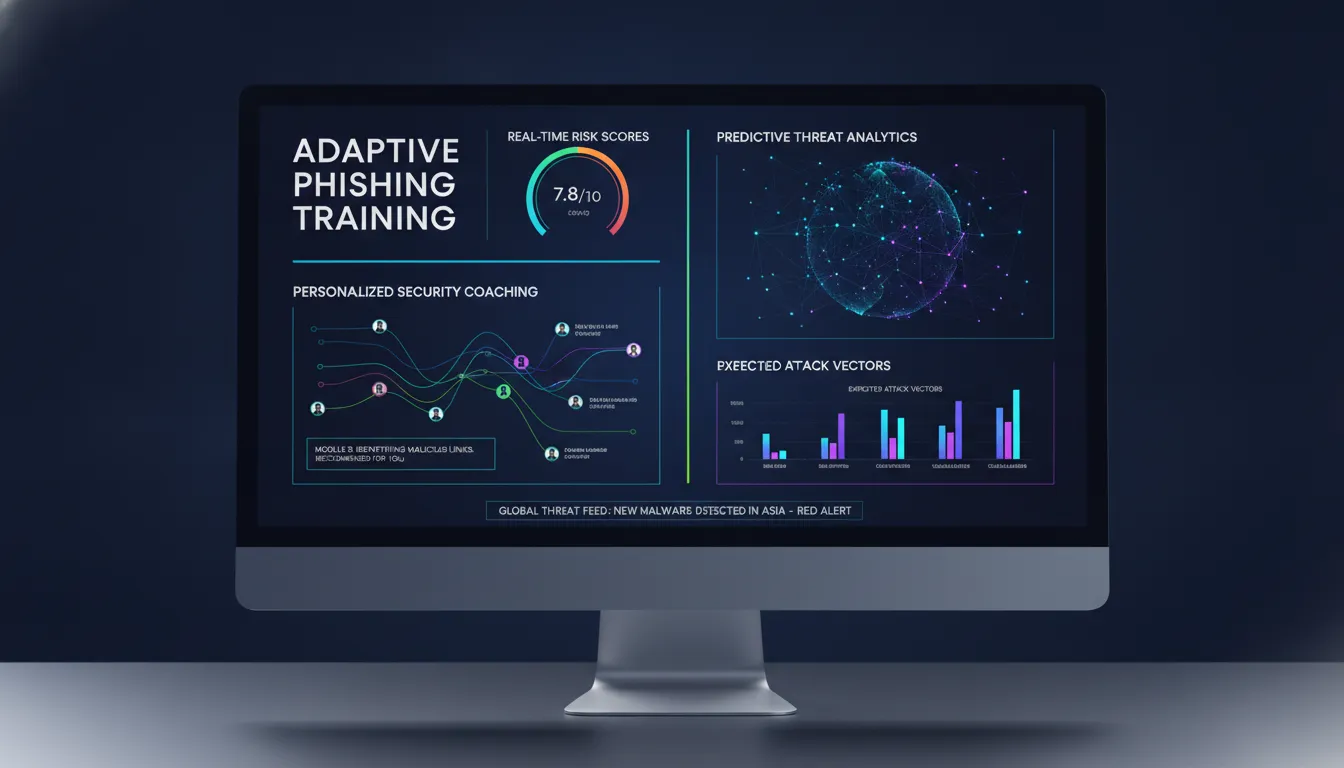
A single security alert rarely tells the whole story. An employee clicking a suspicious link is one thing; a system administrator with privileged access doing the same is another entirely. Traditional tools miss this critical context, which is the core issue in the adaptive security vs living security debate. One model reacts, the other anticipates. True predictive power comes from connecting the dots between an individual's actions, their access level, and the threats targeting them. This is where AI for employee security behavior provides a decisive advantage. By continuously correlating this data, you gain a dynamic understanding of risk and can finally move from a reactive posture to a truly predictive one.
Key Takeaways
- Shift from reactive to predictive security: Use AI to analyze leading indicators of risk across your workforce, allowing you to address potential threats before they escalate into incidents.
- Gain a unified view of risk: Correlate signals across employee behavior, identity and access, and external threats to accurately identify and prioritize your most critical vulnerabilities.
- Drive behavior change with targeted interventions: Replace generic training with automated, personalized actions like micro-training and real-time nudges that guide employees toward safer habits.
What is Adaptive Security?
Adaptive security represents a fundamental shift in how we approach cyber defense. Instead of relying on static, rigid walls to keep threats out, it creates a security posture that is dynamic, flexible, and context-aware. Think of it less like a fortress and more like an immune system for your organization. It continuously monitors the environment, analyzes behaviors, and adjusts its defenses in real time to neutralize threats as they emerge. This approach moves beyond a simple "pass or fail" security check at the perimeter and embraces a model of constant assessment and response, making it an essential strategy for protecting a modern, distributed enterprise from sophisticated attacks.
This model is built on the principles of prediction, detection, prevention, and response. By constantly learning from the activity within your network, an adaptive security architecture can anticipate potential attack vectors and proactively strengthen defenses. It does not just wait for an alarm to sound; it actively hunts for anomalies and indicators of compromise. This allows security teams to move from a reactive state of constant firefighting to a proactive one, where they can identify and mitigate risks before they lead to a full-blown incident, aligning perfectly with a modern Human Risk Management strategy that prioritizes prevention.
The Core Concept of Adaptive Security
At its heart, adaptive security is about making security decisions based on context and risk. It continuously collects and analyzes a massive amount of data from users, devices, and networks to understand what is normal and what might be a threat. When a user's behavior deviates from their established baseline, or when their risk level changes, the system can automatically adjust their access privileges or trigger an intervention. This real-time responsiveness is critical for stopping attacks that can bypass traditional, signature-based security tools. It is a smarter, more agile way to protect your organization’s most valuable assets in an ever-changing threat landscape.
How it Works in a Zero Trust Model
Adaptive security is a cornerstone of a successful Zero Trust architecture. The core principle of Zero Trust is "never trust, always verify," which means no user or device is trusted by default, regardless of whether they are inside or outside the network perimeter. To enforce this, you need a system that can continuously validate identity and assess risk for every single access request. Adaptive security provides this engine, using behavioral analytics and contextual data to make intelligent, risk-based access decisions in real time. It ensures that the right people have the right access to the right resources, at the right time, and under the right conditions.
Contrast with Traditional Security
Traditional security models were built for a different era. They focused on creating a strong perimeter, or a "castle and moat," around the corporate network to keep attackers out. This approach worked when everyone was in the office and all data was stored in a central data center. However, it struggles to protect today's distributed workforce, where employees, data, and applications are everywhere. Traditional defenses are often blind to insider threats and can be easily bypassed by modern phishing and social engineering attacks that target the human element directly, not just the network firewall.
From Perimeter Defense to Real-Time Response
The shift from perimeter defense to real-time response is about moving security from the gateway to the endpoint and the user. Instead of a single, heavily fortified entry point, an adaptive model assumes the network has already been compromised and focuses on detecting and containing threats wherever they appear. This means monitoring user behavior, analyzing data access patterns, and correlating threat intelligence to spot malicious activity instantly. It is a transition from a static, one-time check to a continuous, dynamic process of verification and response that protects the organization from the inside out.
Business Benefits of an Adaptive Approach
Adopting an adaptive security model delivers more than just improved protection; it enables the business to operate with greater speed and agility. By automating many of the routine security tasks and making smarter, risk-based decisions, it reduces the burden on security teams and minimizes friction for employees. This allows your workforce to stay productive and access the tools they need from anywhere, on any device, without being hindered by cumbersome security protocols. Ultimately, it transforms security from a business inhibitor into a business enabler, supporting innovation and growth while effectively managing risk.
Supporting a Modern, Distributed Workforce
For a modern, distributed workforce, a rigid security model is a recipe for frustration and lost productivity. An adaptive approach, however, is designed for this reality. It allows employees to work securely and efficiently from any location by dynamically adjusting security controls based on the context of their access request. For example, an employee logging in from a trusted device on the corporate network might face fewer hurdles than one logging in from an unknown Wi-Fi network on a personal laptop. This intelligent, risk-based approach provides a seamless user experience while maintaining a strong security posture, no matter where your employees are working.
Situating Human Risk Within Foundational Security Frameworks
Human risk is not a separate, isolated problem; it is a critical variable that impacts every layer of your security strategy. To manage it effectively, we need to integrate it into the foundational frameworks that have long guided security programs. These frameworks are typically broken down into three categories of controls: management, operational, and physical. A comprehensive Human Risk Management program does not replace these controls but rather enhances them, providing the human-centric context needed to make them truly effective. By weaving an understanding of human behavior into each of these pillars, you can build a more resilient and adaptive security posture.
Viewing human risk through this lens helps CISOs and GRC teams articulate its importance in a language the entire organization understands. It demonstrates that managing the human element is not just about security awareness and training but is a core component of governance and technical operations. When you can show how an individual's risk profile impacts policy enforcement (management), system access (operational), and even facility security (physical), you create a unified defense where every control is strengthened by a deeper understanding of the people interacting with your systems and data.
Management Security Controls
Management controls are the high-level policies, standards, and procedures that govern your entire security program. They are the "what" and "why" of your security strategy, defining risk tolerance and establishing the rules of the road for the entire organization. Traditionally, this includes things like creating an acceptable use policy or mandating annual security training. However, without a clear view of actual human risk, these controls are often based on assumptions rather than data. An effective HRM program transforms these static controls into living, responsive components of your security ecosystem.
Policies, Plans, and Training Programs
Integrating human risk data into your management controls allows you to move from generic, one-size-fits-all policies to targeted, risk-based interventions. Instead of forcing every employee through the same annual training module, you can use predictive insights to assign personalized micro-training to individuals who exhibit risky behaviors. Policies are no longer just static documents; they can be dynamically enforced with automated nudges and reminders delivered at the moment of risk. This data-driven approach ensures your governance efforts are focused where they can have the greatest impact, reducing risk more efficiently and measurably.
Operational Security Controls
Operational controls are the technical measures and processes you use to protect your systems and data day-to-day. This includes tools like firewalls, endpoint detection and response (EDR), and identity and access management (IAM) solutions. While these technologies are essential, they often lack a crucial piece of the puzzle: human context. An alert from an EDR tool tells you *what* happened, but it does not tell you *why*. Was it a malicious insider or a well-intentioned employee who made an honest mistake? Without this context, it is difficult to prioritize alerts and respond effectively.
Technical Tools for System and Data Protection
A Human Risk Management platform acts as a powerful operational control by providing that missing context. By correlating signals across employee behavior, identity data, and threat intelligence, the Living Security Platform enriches the data from your existing security stack. This unified view allows you to see not just that a risky event occurred, but who was involved, what their access level is, and whether they have exhibited similar behaviors in the past. This intelligence enables your SOC and IR teams to triage alerts faster, automate responses with greater confidence, and prevent minor issues from escalating into major incidents.
Physical Security Controls
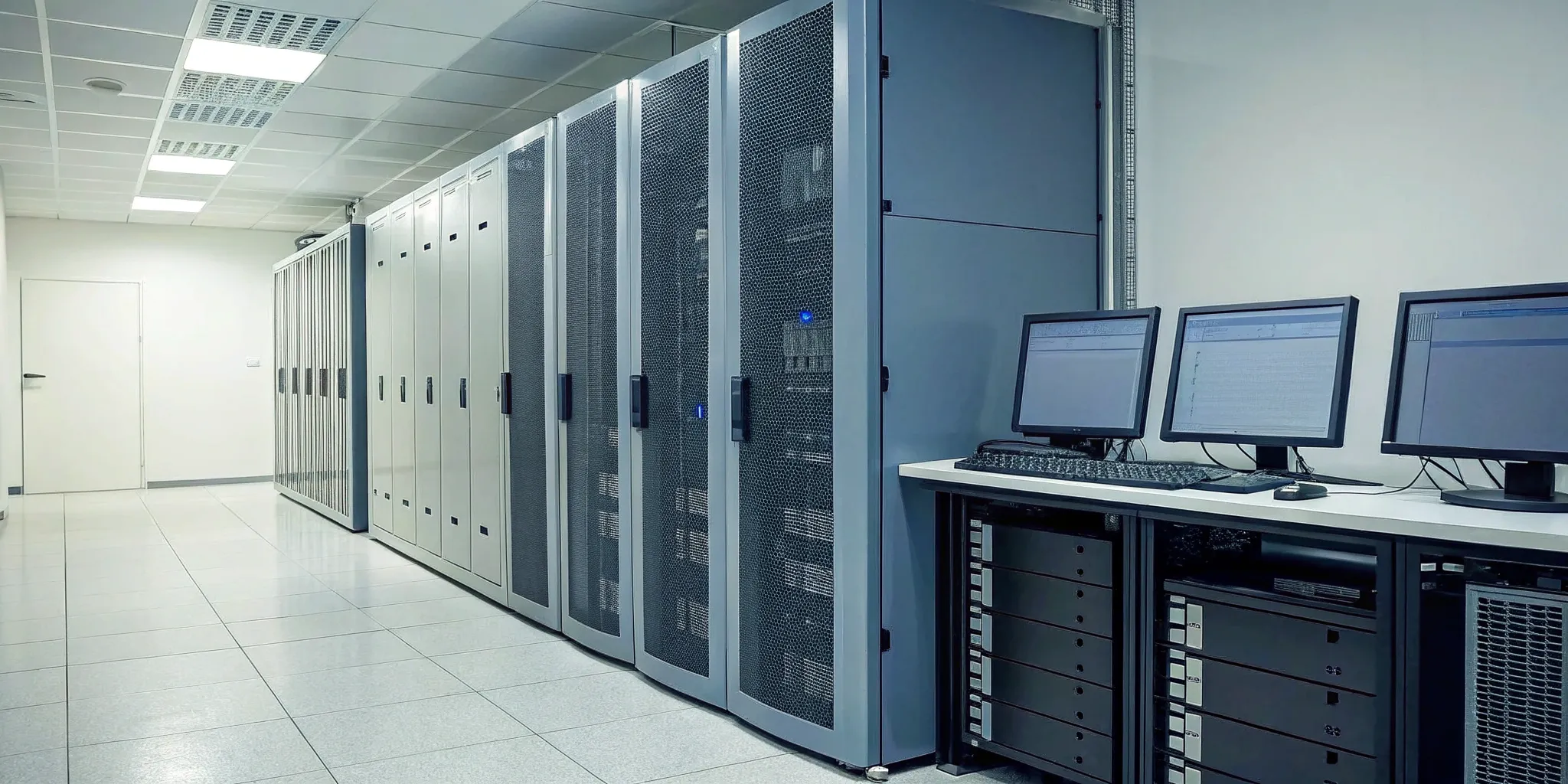
Physical security controls are the measures you take to protect your company's physical assets, including buildings, data centers, and the people within them. This includes things like locks, security guards, and surveillance cameras. While it may seem separate from the digital world, the line between physical and cybersecurity is increasingly blurry. An employee's digital behavior can be a leading indicator of physical risk, and their physical access can significantly amplify the potential impact of a cyber attack. A holistic security strategy must account for this convergence.
Protecting Physical Company Assets
Understanding human risk provides a critical layer of intelligence for your physical security controls. For example, an employee with access to a sensitive data center who also consistently fails phishing simulations represents a heightened, multifaceted risk. An HRM platform can identify these dangerous intersections of physical access and risky digital behavior, flagging them for the security team. This allows you to take proactive measures, such as reviewing access privileges or providing targeted coaching, to mitigate a threat that siloed security tools would completely miss, ensuring your most critical assets are protected from all angles.
How Does AI Influence Employee Security Behavior?
For years, security teams have been stuck in a reactive loop, responding to incidents only after they occur. This approach, focused on detection and response, treats employees as a final line of defense that often fails. AI fundamentally changes this dynamic by shifting the focus from what has happened to what is likely to happen. Instead of just reacting to a security breach, AI-native platforms can predict and prevent them by understanding the complex web of human and machine behavior.
This isn't about simple rule-based alerts. True Human Risk Management uses AI to analyze vast and varied datasets in real time. It correlates signals across three critical pillars: employee behavior, identity and access permissions, and external threat intelligence. By connecting these dots, AI can identify subtle patterns and risk trajectories that would be invisible to a human analyst. It can see that an employee with high-level data access is also exhibiting rushed behaviors and is being targeted by a sophisticated phishing campaign, allowing security teams to intervene before a click ever happens. This proactive stance transforms your workforce from a potential liability into a strengthened layer of defense.
Why Predictive Security Outperforms Reactive Measures
The most significant change AI brings to security is the move from a reactive to a predictive posture. Traditional security waits for an employee to click a malicious link or mishandle sensitive data, then triggers an alert. A predictive approach uses AI to identify the precursors to these actions. It analyzes patterns to forecast which individuals or groups are most likely to engage in risky behavior, giving you the chance to act first.
This proactive model turns human behavior into a manageable aspect of your security strategy. By identifying, prioritizing, and reducing risk before it materializes into a threat, you can prevent incidents from occurring in the first place. The Living Security platform analyzes leading indicators of risk, allowing you to move from post-breach analysis to pre-breach prevention and measurably lower your organization's risk profile.
Going Beyond Traditional Security Awareness Training
Generic, one-size-fits-all security training is no longer sufficient. Annual compliance videos and random phishing tests do little to change day-to-day employee behavior because they lack context and personalization. AI moves security programs beyond simple awareness and into genuine behavior change. It provides the intelligence needed to understand why risky behaviors are happening and how to address them effectively.
An AI engine analyzes behavior and identity in the context of real-world threat signals to pinpoint specific risks. This allows for targeted, timely interventions, such as delivering a micro-training module on data handling right after an employee attempts to use an unsanctioned application. This approach makes security awareness and training relevant and actionable, guiding employees toward safer habits in the moments that matter most.
What Are the Top Employee Security Risks?
Understanding where your organization is most vulnerable is the first step toward building a proactive defense. While technical controls are essential, the most persistent risks often originate from human and AI agent actions, whether they are accidental or intentional. These are not random events; they are predictable behaviors that can be identified and managed before they escalate into incidents. By focusing on the highest-impact areas, your security team can move from a reactive posture to a predictive one, effectively reducing risk across the workforce.
Phishing and Social Engineering Attacks
Social engineering remains a top attack vector because it targets human psychology, not just system vulnerabilities. Attackers exploit trust to trick employees into revealing credentials, downloading malware, or initiating fraudulent transfers. Traditional training often fails because it’s generic and does not account for individual susceptibility. A modern approach must pinpoint human risk with an AI-powered engine that connects identity, email, and phishing signals. This allows you to surface users most vulnerable to social engineering attacks and deliver targeted phishing simulations based on real behaviors, not just completion scores. By understanding who is most at risk and why, you can intervene with precision.
Deepfake Voice Phishing (Vishing)
Attackers are now using AI to create highly convincing deepfake audio. With just a few seconds of a person's voice from a public video or earnings call, they can clone it to make fraudulent requests. Imagine an employee receiving a call that sounds exactly like their CEO asking for an urgent wire transfer. This type of attack bypasses traditional email filters and preys on an employee's instinct to be helpful. Defending against this requires more than just awareness; it requires a system that understands context. A predictive security platform can correlate the unusual request with the employee's access permissions and recent behavioral patterns to flag the interaction as high-risk before the transfer is ever made, showing the importance of defending against advanced attacks like deepfake calls.
OSINT-Powered Spearphishing
Spearphishing has become hyper-personalized thanks to Open-Source Intelligence (OSINT). Attackers gather publicly available data from sources like LinkedIn, company websites, and news articles to craft emails that are alarmingly specific and believable. They might reference a recent project, mention a colleague by name, or allude to a conference an employee just attended. These custom-tailored messages are difficult for even savvy employees to identify as malicious. This is why it's critical to correlate external threat intelligence with internal data. An AI-native platform can identify when attackers use real public information about your organization and cross-reference it with employee access levels and behaviors to predict who is most vulnerable to a targeted attack.
SMS Phishing (Smishing)
Phishing attacks are no longer confined to email inboxes. SMS phishing, or "smishing," uses text messages to create a sense of urgency and trick people into clicking malicious links or divulging sensitive information. These messages, often disguised as delivery notifications or security alerts, exploit the trust people place in text messages and are frequently viewed on personal devices outside the corporate security perimeter. To effectively manage this risk, security programs must extend beyond email. Running realistic text message phishing tests allows you to gauge employee susceptibility on different platforms. The results can then be correlated with other risk signals to build a complete profile and deliver targeted guidance where it's needed most.
Data Loss and Unauthorized Access
Data loss can happen in an instant, from an employee accidentally sharing a sensitive file publicly to a malicious actor exfiltrating intellectual property. The key is to identify the leading indicators of this risk before a breach occurs. Effective Human Risk Management turns human behavior into a proactive layer of defense by identifying, prioritizing, and reducing risk before it becomes a threat. Instead of just reacting to data loss prevention alerts, you can analyze behavioral patterns, access rights, and threat intelligence to see which users pose the greatest risk. This allows you to apply tailored controls or training where they will have the most impact.
Identity and Credential Compromise
Compromised credentials are the gateway to your organization's most critical assets. Risks range from poor password hygiene and credential reuse to sophisticated account takeover attacks. To get ahead of these threats, you need to see the full picture. An AI engine provides the ability to analyze behaviors and identity in the context of external threat signals, making it simpler to connect the dots. For example, correlating a user’s risky web browsing with their elevated access privileges and an active threat campaign targeting their role provides a clear, actionable signal. This integrated analysis is central to a predictive platform that stops identity-based attacks before they succeed.
The Rise of AI Agent Misuse and Shadow AI
The rapid adoption of AI tools introduces a new and complex risk vector. Employees using unsanctioned generative AI applications, or "Shadow AI," can inadvertently expose sensitive corporate data, create compliance issues, or introduce insecure code. Managing this requires new security solutions, as a modern platform must predict and reduce workforce threats by blending human and AI agent risk management. By monitoring interactions with AI agents alongside human behavioral signals, you gain visibility into this emerging threat landscape. This allows you to enforce policies and guide employees toward secure AI usage, ensuring innovation does not come at the cost of security.
How AI Analyzes Behavior to Prevent Breaches
To effectively prevent security incidents, you need to see the full picture of risk, not just isolated events. Traditional security tools often generate a high volume of alerts without the context needed to prioritize them. An AI-native approach changes this by analyzing vast datasets to find the meaningful signals hidden within the noise. Instead of just reacting to a flagged event, this method predicts risk by understanding the complex interplay between an individual's actions, their access level, and the external threats targeting them.
The Living Security Platform achieves this by continuously ingesting and correlating data across three critical pillars: human behavior, identity and access, and real-world threat intelligence. By connecting these dots, the AI engine builds a dynamic, contextual understanding of risk for every person and AI agent in your organization. This allows your security team to move from a reactive posture to a predictive one, identifying and addressing high-risk trajectories before they can escalate into a full-blown breach. It’s about seeing not just what happened, but understanding why it’s risky and what is likely to happen next.
Spotting Anomalies in Employee Security Behavior
At its core, effective Human Risk Management starts with understanding what normal looks like. An AI engine excels at establishing a baseline of typical behavior for every employee and department across your organization. It learns patterns in how people interact with data, systems, and even AI tools. Once this baseline is established, the system can instantly spot anomalies—subtle deviations that could signal a compromised account, insider threat, or simple error.
For example, the AI can recognize when an employee suddenly accesses files at an unusual time or from an unfamiliar location. It can also identify new behaviors related to emerging technologies, helping you predict potential threats and guide your team on how to use tools like generative AI securely. This isn't about flagging every minor deviation; it's about identifying patterns that represent a genuine increase in risk.
Analyzing Identity and Access Signals
Behavioral data alone is incomplete. An employee clicking on a suspicious link is one thing; a system administrator with keys to your most critical infrastructure doing the same is another entirely. This is where analyzing identity and access data becomes crucial. The AI engine enriches behavioral signals with critical context about a user’s role, permissions, and the sensitivity of the data they can access.
This allows the platform to weigh risk more accurately. An anomaly from a user with privileged access is automatically prioritized because the potential impact of a compromise is significantly higher. The AI analyzes behaviors and identity in the context of the user's access level, making it simpler to determine which events require immediate attention. This ensures your team focuses its efforts on the individuals and agents who pose the greatest potential threat to the organization.
Connecting Signals Across Threat, Behavior, and Identity
The true power of an AI-native platform lies in its ability to correlate signals from multiple sources in real time. It connects the dots between an employee’s actions, their access rights, and active threats targeting your organization. For instance, the system can identify a user who recently failed a phishing simulation, has access to sensitive financial data, and is being targeted by a known threat actor. This combination of signals creates a high-fidelity indicator of risk that would be nearly impossible to spot manually.
By connecting identity, email, and phishing signals, our AI-powered engine helps you Unify SAT+ and pinpoint human risk with incredible precision. This allows you to surface the users most vulnerable to social engineering attacks and deliver interventions based on their actual behaviors, not generic risk scores. This holistic view reduces false positives and gives your team the clear, actionable intelligence needed to intervene effectively.
Tracking Risk Trajectories in Real Time
Human risk is not a static, one-time score; it’s a dynamic metric that changes over time. An AI engine continuously monitors risk trajectories for every individual, tracking whether their risk level is increasing or decreasing based on their ongoing behavior and the threats they face. This provides a forward-looking view of your organization’s security posture, allowing you to see where new vulnerabilities are emerging.
When a user’s behavior crosses a predefined risk threshold, the platform can trigger automated, risk-based actions. This could mean automatically enrolling the user in a specific micro-training module, sending a real-time nudge, alerting their manager, or escalating the issue to your security team. This capability for security awareness training ensures that interventions are timely, relevant, and proportional to the level of risk, stopping potential incidents before they can cause harm.
What AI Technologies Drive Security Behavior Change?
Changing security behavior requires more than just annual training modules. It demands a proactive, intelligent approach that can adapt to individual risk in real time. Modern security platforms leverage a specific set of AI technologies to move beyond simple awareness and actively shape safer habits across the workforce. These technologies work together to predict risk, provide context, and deliver guided interventions precisely when they are needed most. By understanding how these systems operate, security leaders can see a clear path from data analysis to measurable risk reduction.
Balancing AI-Native Intelligence with Human Oversight
An AI-native platform is built with artificial intelligence at its core, not as an added feature. This foundational difference allows the system to continuously learn from data and make intelligent decisions. For security teams, this means the platform can autonomously handle 60 to 80% of routine remediation tasks, like assigning micro-training or sending policy reminders. However, this autonomy is always balanced with human oversight. The Living Security Platform ensures security professionals remain in control, providing them with explainable, evidence-based recommendations. This allows your team to focus on strategic initiatives while the AI manages day-to-day interventions, creating a scalable and effective security program.
Forecasting Risk with Predictive Analytics
Traditional security tools are reactive; they detect threats after they have already appeared. Predictive analytics fundamentally changes this model. By analyzing over 300 signals across employee behavior, identity and access systems, and external threat feeds, this technology identifies patterns that indicate future risk. Instead of waiting for an employee to click a malicious link, a predictive system can forecast which individuals are most likely to be targeted or make a mistake. This allows security teams to apply preventative measures and reduce risk before an incident occurs. This shift from detection to prediction is the foundation of modern Human Risk Management.
Using NLP to Understand Context and Intent
Understanding the context behind an action is critical for assessing risk. Natural Language Processing (NLP) gives an AI engine the ability to interpret unstructured data from a wide range of sources, including threat intelligence reports and internal communications. This technology helps the system understand not just what an employee did, but why. For example, NLP can help differentiate between an accidental policy violation and a deliberate attempt to exfiltrate data. By analyzing behavior and identity in the context of external threat signals, the platform provides a much clearer picture of risk, enabling more precise and effective security awareness and training interventions.
Using Autonomous Systems for Guided Interventions
Once a potential risk is identified, the next step is to guide the employee toward safer behavior. Autonomous systems make this possible at scale. Based on an individual’s specific risk profile, the system can automatically deploy a range of interventions. This could be a real-time nudge that appears when an employee is about to visit a risky website or a short, targeted training module assigned after a simulated phishing failure. These guided interventions are timely, relevant, and personalized, making them far more effective than generic, one-size-fits-all training. This approach turns human behavior into a proactive layer of defense, systematically reducing risk across the organization.
A Guide to the Ethics of AI Monitoring
Implementing AI to understand employee security behavior is a powerful step toward predictive defense, but it naturally brings up important ethical questions. For any security leader, the goal is to protect the organization without eroding the trust of its people. This isn't about surveillance; it's about identifying and mitigating risk in a way that respects privacy and promotes a positive security culture. A successful strategy requires a framework built on transparency, clear communication, and robust data governance.
The most effective Human Risk Management platforms are designed with these principles in mind from the ground up. By focusing on specific risk signals related to security actions, not personal habits, you can gain the insights needed to prevent incidents while upholding your commitment to your employees. The key is to balance technological capability with a deep respect for individual privacy, ensuring the system serves as a protective guide rather than an intrusive monitor. This approach turns potential ethical hurdles into opportunities to build a stronger, more resilient security partnership between the organization and its workforce.
Prioritizing Privacy and Transparency
When you introduce AI to analyze behavior, employees may worry about their privacy. A lack of openness can quickly lead to distrust, undermining the entire initiative. The best way to address this is with radical transparency. Be clear about what data the system analyzes and why. A well-designed platform doesn't monitor personal emails or private messages. Instead, it correlates specific, anonymized signals across threat, identity, and behavior data to spot security risks, like an employee with high-level access repeatedly clicking on phishing simulations. By communicating the purpose—to protect both the employee and the company from threats—you can demystify the process and build confidence that the technology is being used responsibly and ethically.
Building Employee Trust with Clear Communication
Technology alone doesn't change behavior; trust does. AI can provide invaluable insights, but employees need to understand the context behind those signals. Your communication strategy should frame the AI as a supportive guide, not a disciplinary tool. Explain that the system is designed to provide personalized, helpful interventions, like a timely micro-training after a minor security misstep. Emphasize that there is always human oversight in key decisions. This assures your team that the AI’s recommendations are reviewed with context and empathy. When employees see the program as a resource for their own protection, they are more likely to become active participants in strengthening the organization's security posture.
Creating Fair Data Protection and Retention Policies
Finding the right balance between leveraging new technology and respecting employee privacy requires a strong policy foundation. Before implementing any AI monitoring, it's critical to establish clear and comprehensive data protection and retention policies. These guidelines should explicitly define what information is collected, how it is stored and secured, who can access it, and for how long it is retained. This isn't just an ethical best practice; it's a core component of GRC and a requirement for meeting data privacy regulations. Documenting these policies demonstrates a concrete commitment to data stewardship and provides a clear framework for managing your security awareness program responsibly.
Ensuring Fairness and Preventing AI Bias
An AI system is only as objective as the data it learns from. If the training data contains inherent biases, the AI’s predictions can become unfair, incorrectly flagging certain individuals or groups. To prevent this, it's essential to use AI models that are trained on vast, diverse datasets and are continuously audited for fairness. A credible AI security platform ensures its risk assessments are based on observable security behaviors, not demographic data or personal attributes. By focusing on concrete signals—like interactions with simulated phishing attacks or patterns of data access—the system can accurately identify risk without introducing bias. This ensures the interventions are fair, equitable, and focused solely on improving security outcomes.
How to Balance AI Implementation with Employee Trust
Implementing an AI-driven security platform requires more than just technical integration. It demands a thoughtful approach to organizational change management. When employees understand that the goal of AI is to predict and prevent threats, not to micromanage their work, they are more likely to become active partners in strengthening the company’s security posture. Building this trust is foundational to the success of any Human Risk Management program. It hinges on clear communication, ethical data handling, and a commitment to keeping humans at the center of security decisions.
Communicate Transparently About AI's Role
Open communication is the first step to building trust. Be direct with your teams about how the AI platform works and what its purpose is. Explain that the system analyzes signals across behavior, identity, and threats to predict potential security incidents, not to monitor productivity. Frame it as a protective measure for both the employee and the organization. When people understand the why behind the technology, it demystifies the process and reduces apprehension. This transparency helps shift the perception of AI from an intrusive overseer to a helpful guide that strengthens everyone’s security awareness.
Maintain Human Oversight in Key Decisions
AI provides powerful predictive intelligence, but it doesn't replace human judgment. It’s crucial to emphasize that your security platform operates with human oversight. The system can identify a high-risk trajectory and recommend an intervention, but security professionals make the final call. This approach ensures that context, nuance, and empathy are part of the decision-making process. An AI might flag an anomaly, but a manager understands the full story behind an employee's actions. This partnership between AI-driven insights and human expertise is central to an effective and trusted security strategy.
Apply Data Minimization and Ethical Guidelines
Respect for privacy is non-negotiable. To build trust, you must commit to strong ethical guidelines and the principle of data minimization. This means only collecting and analyzing the data necessary to identify and mitigate security risks. Avoid collecting superfluous personal information. Establish clear policies for data handling, retention, and access that are easy for employees to understand. By demonstrating a commitment to protecting employee privacy, you show that the organization values its people as much as its security, creating a culture of mutual respect.
Create Channels for Feedback and Support
Trust is a two-way street. Create clear channels for employees to ask questions, share concerns, and provide feedback about the security program. This could be through regular check-ins, anonymous surveys, or a dedicated point of contact within the security team. When employees feel heard, they are more likely to engage with security initiatives and report potential threats. Providing this support fosters a collaborative environment where security is a shared responsibility. It transforms the program from a top-down mandate into a partnership aimed at protecting the entire organization.
How AI Delivers Personalized Security Interventions
Generic, one-size-fits-all security training fails because it ignores context. An employee in finance faces different threats than a software developer, yet traditional programs treat them the same. An effective security strategy requires moving beyond broad awareness campaigns to deliver targeted, individual interventions. This is where an AI-native platform changes the game. By analyzing a continuous stream of data across behavior, identity, and threats, AI can understand each employee’s unique risk profile. It then uses this intelligence to deliver personalized training, real-time nudges, and customized security paths that actively reduce risk instead of just checking a compliance box. This approach ensures that every intervention is relevant, timely, and directly addresses the most critical vulnerabilities for that specific individual and the organization.
Deliver Adaptive, Just-in-Time Micro-Training
Annual security training is quickly forgotten. Adaptive micro-training provides a more effective alternative by delivering short, relevant learning modules precisely when they are needed. The Living Security platform pinpoints human risk by connecting identity, email, and phishing signals to surface users most vulnerable to social engineering attacks. Instead of assigning everyone the same generic course, the system trains individuals based on their actual behaviors. For example, if an employee repeatedly clicks on invoice-themed phishing simulations, the AI can automatically assign a five-minute video specifically on identifying fraudulent financial requests. This targeted approach makes the security awareness training stick, correcting risky habits without causing training fatigue.
Guiding Behavior with Real-Time Nudges
The most effective interventions happen in the moment. AI enables real-time behavioral nudges that guide employees toward safer decisions as they work. The system can trigger risk-based actions the moment a behavior crosses a predefined threshold. Imagine an employee attempting to upload a file with sensitive customer data to an unsanctioned cloud storage service. Instead of discovering the policy violation later, the AI can deliver an immediate pop-up reminding them of the company’s data handling policy and directing them to the approved, secure solution. These contextual nudges serve as a real-time security coach, reinforcing good habits and preventing incidents before they can cause harm.
Personalize Security Paths Based on Risk Profiles
A single action rarely tells the whole story. True Human Risk Management involves understanding an individual’s risk trajectory over time. By correlating data from an employee’s role, access permissions, behavioral patterns, and the specific threats targeting them, AI builds a dynamic risk profile. This profile informs a personalized security journey for each person. An employee with high-level access who is frequently targeted by phishing campaigns might receive more intensive training and stricter policy enforcement. Meanwhile, a low-risk user might only get occasional refreshers. This tailored approach allows security teams to focus their resources where they are needed most, efficiently reducing the organization’s overall risk posture.
How to Measure the Impact of AI on Security Behavior
Measuring the effectiveness of AI in shaping security behavior goes far beyond tracking training completion rates. To truly understand the impact, you need to quantify actual risk reduction. This means shifting your focus from lagging indicators, like who finished a module, to leading indicators that predict potential incidents. An effective strategy involves using an AI-native platform to connect disparate data points, creating a clear and continuous picture of your organization's human risk posture. By correlating signals across behavior, identity and access, and external threats, you can see which individuals or AI agents are on a risky trajectory long before an incident occurs. This approach transforms measurement from a simple report card into a strategic tool for proactive defense. It allows you to demonstrate tangible improvements in security and compliance to your board and leadership teams, moving the conversation from "Did people complete the training?" to "How much have we reduced our risk of a breach?" This is the core of a data-driven security program, where every intervention is tied to a measurable outcome and you can finally answer the tough questions about ROI with confidence.
Set KPIs to Measure Risk Reduction
Start by establishing Key Performance Indicators (KPIs) that directly map to security outcomes, not just activity. Instead of measuring how many phishing simulations were sent, measure the reduction in click-through rates among high-risk groups. An AI-powered engine helps you define these meaningful KPIs by connecting signals across your security stack. It analyzes identity, behavior, and threat data to identify which users are most vulnerable to social engineering or data handling mistakes. This allows you to move beyond generic risk scores and implement targeted security awareness training that addresses specific weak points, making risk reduction a measurable and achievable goal.
How to Track Changes in Employee Security Behavior
Effective measurement requires continuous monitoring, not just annual check-ins. A dynamic Human Risk Index is a powerful tool for tracking how employee behaviors evolve in response to AI-guided interventions. This index provides a real-time view of your risk exposure, showing you which departments or individuals are improving and who might need more support. This ongoing analysis is critical for demonstrating progress. With executive-ready dashboards, you can present this data clearly to leadership, satisfying both security teams and compliance auditors with measurable proof of a stronger security culture. The goal is to make human risk a visible, trackable metric across the organization.
Evaluate Predictive Accuracy and Prevention Rates
The ultimate test of an AI security platform is its ability to prevent incidents before they happen. This is where you evaluate its predictive accuracy. How effectively can the system forecast which employees or AI agents are on a high-risk trajectory? A strong platform doesn't just flag isolated risky actions. It analyzes user behaviors in context, correlating them with identity and access levels plus external threat signals. This simplifies the process of prioritizing your efforts, allowing you to focus on the individuals and behaviors that pose the greatest potential impact. This proactive stance is what truly defines a successful AI-native platform, shifting your security posture from reactive to preventative.
A Practical Guide to Implementing an AI Security Platform
Deploying an AI-native platform for security behavior is more than a technical setup; it’s a strategic initiative that reshapes your security culture. The goal is to move from a reactive posture of incident response to one of proactive prevention, but success depends on a thoughtful implementation. It's not enough to simply install the software; you need a clear plan that accounts for your existing technology, your organizational culture, and the people whose behavior you aim to guide. A successful rollout requires a deliberate approach that builds momentum, integrates seamlessly into your current security operations, and, most importantly, earns the trust of your employees.
This transition involves a significant cultural shift. For years, security has been seen as a department that says "no" or cleans up after a breach. An AI-driven approach reframes security as a partnership, where technology provides guidance to help employees make safer decisions in real time. Getting this right means managing expectations and communicating the value proposition clearly. Without a solid strategy, even the most powerful platform can face resistance or fail to deliver its full potential. By following a few core best practices, you can ensure the platform becomes a valued part of your security program, delivering measurable risk reduction from day one without creating friction or mistrust. This foundation is critical for creating a resilient security posture where technology and people work together effectively.
Key Considerations for Platform Evaluation
Choosing the right AI-native platform is a critical decision that goes beyond comparing feature lists. To find a true partner in risk reduction, you need to evaluate how a platform performs in the real world, how it adapts to an evolving threat landscape, and whether it can deliver sustained, long-term value. A platform might look impressive in a demo, but its true worth is revealed when it's integrated into your unique environment. The evaluation process should focus on validating the platform’s predictive capabilities, its ability to drive lasting behavior change, and its alignment with your organization's security goals. This ensures you select a solution that not only identifies risk but actively and continuously reduces it.
The Importance of a Proof of Concept (PoC)
A sales demo can show you what a platform is capable of, but a Proof of Concept (PoC) shows you how it will perform for your organization. The most effective way to evaluate a platform is to test it with a small group of your own employees in your live environment for 60 to 90 days. This trial period provides invaluable, firsthand insight into how your users will react to the system and its interventions. A PoC allows you to validate the AI’s predictive accuracy with your own data and see how seamlessly it integrates with your existing security stack. It’s the ultimate test of a platform’s claims, moving beyond theory to demonstrate tangible results and ensuring the security platform is the right fit for your culture and technical needs.
Assessing the Speed of Content Updates for New Threats
The threat landscape changes constantly, and your security platform must keep pace. A system with static training content or outdated risk models will quickly become ineffective. When evaluating solutions, ask how the platform ingests new threat intelligence and how quickly its predictive models and intervention content are updated to address emerging threats like new phishing techniques or AI-driven social engineering. Effective Human Risk Management turns behavior into a proactive defense by analyzing real-time threat intelligence alongside behavioral patterns and access rights. This ensures the guidance and training your employees receive are always relevant to the actual threats they face, keeping your defenses sharp against the latest attack vectors.
Measuring Long-Term Effectiveness and Potential Plateaus
Initial improvements in security behavior are a good start, but the real goal is sustained risk reduction. Many programs see an early dip in risky behavior, only to watch it plateau or even regress over time. To truly understand a platform's impact, you must quantify actual risk reduction, not just track training completion rates. An effective AI-native platform should provide continuous visibility into risk trajectories, showing you how behavior is changing over the long term. This means shifting your focus from lagging indicators, like module completions, to leading indicators that predict potential incidents. This data-driven approach ensures your program avoids plateaus and delivers measurable, lasting improvements to your organization's security posture.
Use a Phased Rollout to Manage Change
A successful rollout isn’t about flipping a switch overnight. It’s about a phased deployment that allows your organization to adapt. Start with a pilot program focused on a specific high-risk department or user group. This controlled approach lets you fine-tune risk thresholds and automated responses in a contained environment. You can begin by monitoring risk signals and then gradually introduce automated actions, such as enrolling a user in micro-training when their behavior crosses a set threshold. This methodical process helps manage organizational change, demonstrates early wins, and builds momentum for a full-scale deployment of your security awareness training program.
Ensure Seamless Integration with Your Security Stack
Your AI security platform should serve as the intelligent core of your security stack, not another isolated tool. True predictive power comes from its ability to correlate data across your entire ecosystem. Ensure the platform can seamlessly integrate with your existing security infrastructure, pulling in signals from identity and access management (IAM), endpoint detection and response (EDR), and threat intelligence feeds. This creates a unified view of risk, connecting an employee’s behavior with their access levels and the specific threats targeting them. The result is a cohesive system where insights from one tool enrich the actions of another, amplifying the effectiveness of your entire security program.
Build Trust Across the Organization with Ethical AI
Implementing any system that analyzes employee behavior requires a foundation of trust. Transparency is non-negotiable. From the outset, communicate clearly about why the platform is being used, what data is being analyzed, and how it helps protect both the organization and its employees. Frame it as a supportive guide, not a punitive watchdog. Ethical practices are central to this effort. By focusing on guidance and proactive support, you can foster a culture of shared responsibility. This approach is fundamental to Human Risk Management, ensuring that technology empowers people to become your strongest defense, rather than making them feel constantly scrutinized.
What's Next for AI in Security Behavior Management?
The role of AI in security is rapidly maturing beyond simple data analysis. We are entering an era where AI acts as an intelligent partner, actively shaping a more secure work environment. This evolution is not just about identifying risks faster; it is about creating a security posture that is continuous, adaptive, and predictive. Instead of relying on annual training and reactive incident response, forward-thinking organizations are using AI to build a culture of security that operates in real time. This proactive approach is essential for protecting a modern workforce where employees and AI agents operate together.
The future of security behavior management rests on three core advancements. First is the growth of autonomous remediation, which closes the gap between identifying a risk and acting on it. Second is the critical need to proactively manage AI agent risk, addressing the new vulnerabilities introduced by tools like generative AI. Finally, the entire field is moving toward true predictive threat prevention. This means shifting from a defensive stance to an offensive one, using correlated data across behavior, identity, and threats to anticipate and neutralize risks before they can cause harm. This is the foundation of a truly resilient Human Risk Management strategy.
The Rise of Autonomous Remediation
Waiting for manual intervention is no longer a viable security strategy. The next step is autonomous remediation, where risk-based actions are triggered the moment a behavior crosses a predefined threshold. Imagine an employee clicks on a simulated phishing link. Instead of just logging the event, an AI-native system can instantly enroll them in a relevant micro-training module or send a contextual nudge explaining the risk. For more critical behaviors, it can alert a manager or escalate the issue based on the user's role and access level.
This approach, which always includes human oversight, allows security teams to scale their efforts effectively. It automates the routine responses, freeing up analysts to focus on complex threats. By implementing these immediate, guided interventions, you can reduce human risk by correcting unsafe behaviors as they happen, not weeks later in a report.
Getting Ahead of AI Agent Risk
The widespread adoption of generative AI tools has introduced a new and complex risk surface. Employees using both sanctioned and "shadow AI" applications can inadvertently expose sensitive data or make critical decisions based on flawed AI outputs. The future of security involves blending human and AI agent risk management into a single, unified view. This requires moving beyond simply blocking these tools.
A proactive strategy involves understanding how your teams use AI and guiding them toward safe practices. An AI-native HRM platform can analyze interactions with AI agents to identify patterns that indicate potential data loss or misuse. By understanding these new AI workforce risks, you can provide targeted guidance that allows for innovation while maintaining a strong security posture.
The Future is Predictive Threat Prevention
The ultimate goal of leveraging AI in security is to move from detection to prevention. Traditional security tools are designed to find threats that have already breached the perimeter. Predictive threat prevention, however, analyzes leading indicators across behavior, identity, and threat intelligence to forecast where the next incident is most likely to originate. It extends proven behavioral security principles to the entire hybrid workforce of humans and AI agents.
This forward-looking model enables you to see risk trajectories as they develop. By correlating hundreds of signals, you can identify an employee whose access levels and recent behaviors put them at high risk, even if they have not yet made a mistake. This allows you to intervene proactively with personalized training or policy reminders, effectively neutralizing the threat before it materializes.
Frequently Asked Questions
How is an AI-driven approach different from traditional security awareness training?
Traditional security training is often a one-size-fits-all, annual event that checks a compliance box but does little to change daily habits. An AI-driven approach is fundamentally different because it's continuous, personalized, and proactive. Instead of just teaching concepts, it identifies real-time risky behaviors for each individual and delivers targeted interventions, like a short training video or a helpful nudge, at the exact moment it's needed most. This shifts the focus from simple awareness to measurable behavior change.
How does the AI analyze behavior without invading employee privacy?
This is a critical point, and it comes down to focusing on specific security signals, not personal activity. The platform is designed to analyze anonymized data related to security actions, such as interactions with phishing simulations, attempts to access unauthorized applications, or data handling patterns. It does not monitor personal emails or private messages. The goal is to identify risk indicators to protect both the employee and the company, and we achieve this with a transparent approach that respects privacy.
What kind of data does the AI use to predict risk?
The platform's predictive power comes from its ability to connect the dots across three core data pillars. First, it looks at behavioral data, like how employees interact with systems and security prompts. Second, it analyzes identity and access information to understand a user's role and permissions. Finally, it ingests external threat intelligence to see who is being targeted. By correlating these three sources, the AI builds a complete picture of risk that is far more accurate than looking at any single signal alone.
What does an 'AI-native' platform mean for my security team's day-to-day work?
An AI-native platform means that artificial intelligence is the core of the system, not just a feature added on later. For your team, this translates to a significant reduction in manual, repetitive work. The platform can autonomously handle 60 to 80% of routine tasks, like assigning follow-up training or sending policy reminders. This frees your security professionals from chasing down low-level alerts so they can focus their expertise on strategic initiatives and complex threat investigations.
How can I prove this approach is actually reducing risk?
You can demonstrate a clear return on investment by focusing on leading indicators of risk, not just lagging ones like training completion. The platform provides a dynamic Human Risk Index that tracks behavioral change across the organization in real time. You can measure tangible improvements, such as a decrease in click-rates on phishing simulations among high-risk groups or fewer attempts to use unsanctioned applications. This provides you with executive-ready data that proves your security posture is getting stronger.