

-thumb-1.jpeg)



Living Security can do that. But as your program matures, the question changes from "Did everyone complete training?" to "Who is creating risk, why, and what action should we take next?"
Security Awareness Training
Meet the requirement. Build the behavior. Grow into Human Risk Management.
Deliver engaging, relevant security awareness training that makes it easy to meet compliance requirements and build stronger security habits. Start with the training program you need today — then make training part of a broader Human Risk Management program using real risk signals and automated playbooks.
100,000+
5-star content ratings
26+
languages supported
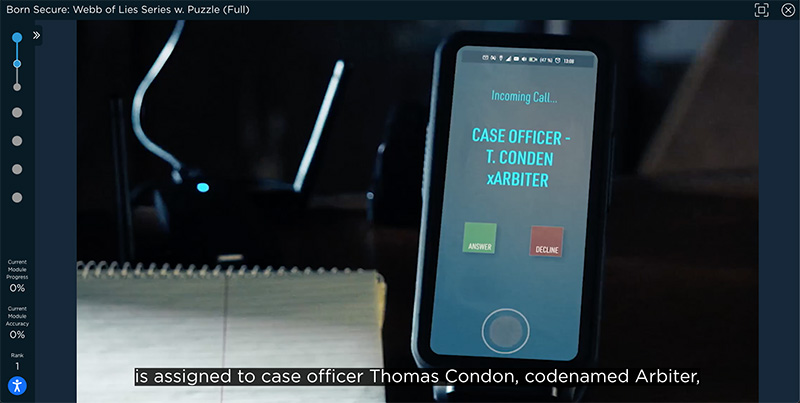

Training People Want to Take
Training people actually want to take

Tailored Learning
Assign what matters, to who it matters for
Assign targeted training based on roles, departments, industries, and areas of risk.

Launch in Minutes
Get your program running quickly
Use ready-to-go campaigns, audience filters, and campaign management tools.

Boost Engagement
Keep security top of mind
Use reminders, nudges, and engaging content without overwhelming employees.
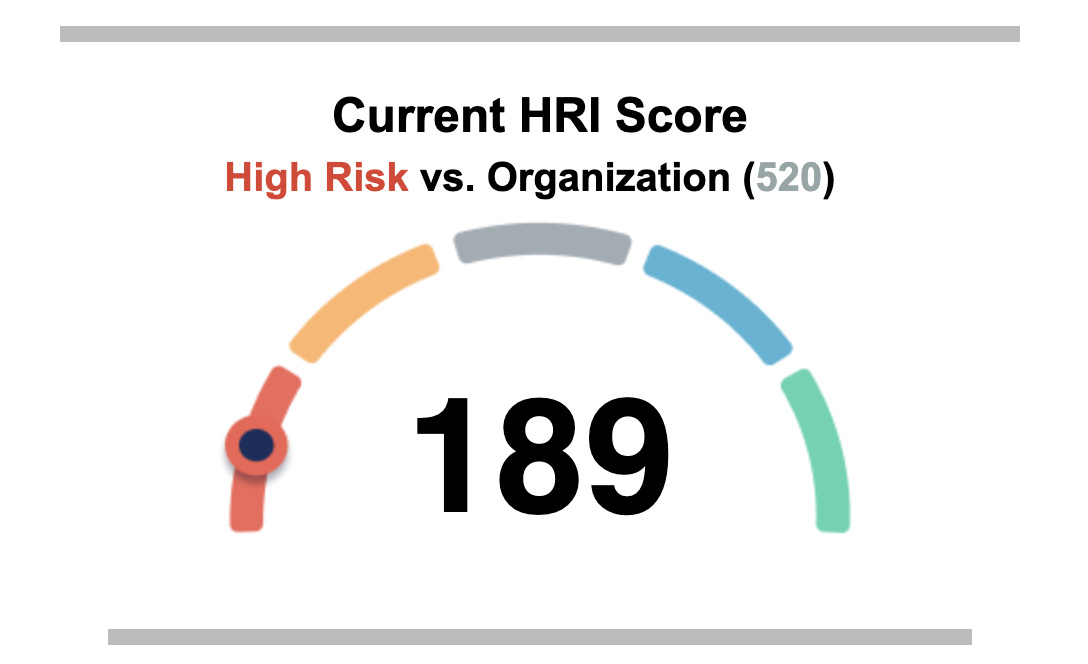
Where This Becomes Human Risk Management
Training becomes more powerful when it becomes an intervention.
In an HRM program, security awareness training is not the entire strategy. It is one of the interventions your program can use to reduce risk — triggered by real signals, not just a calendar date.
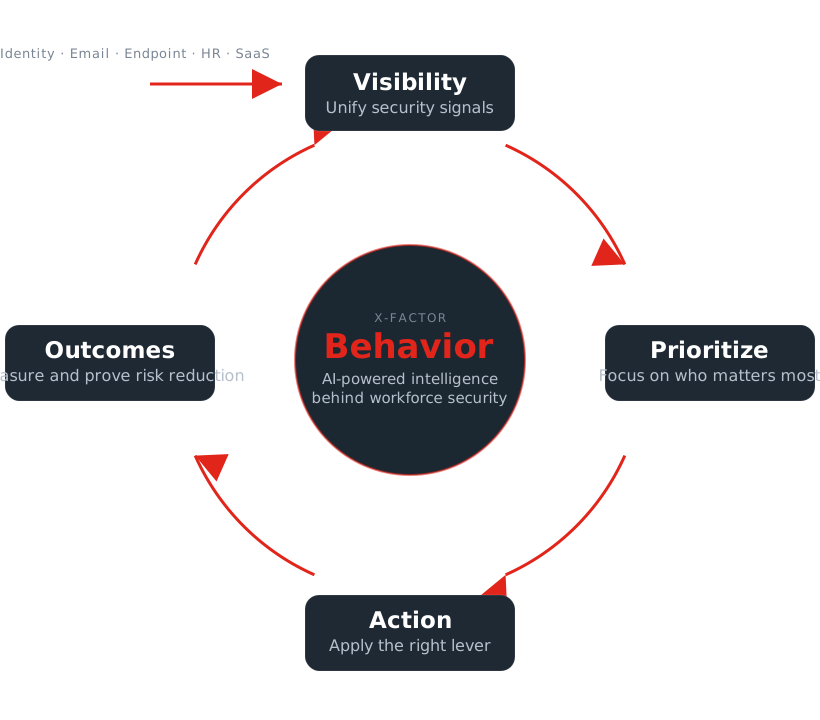
HRM gives training context by connecting behavioral signals from across the security stack.
Two Ways to Run Training
Two ways to run security awareness training. One path forward.
.jpg)
Run a Traditional Awareness Program
Ideal for compliance, broad education, and straightforward administration
- Deliver annual and recurring training
- Assign content to roles, departments, or audiences
- Run awareness campaigns throughout the year
- Send reminders and increase participation
- Track completion and demonstrate program coverage
Make Training Part of Human Risk Management
When you're ready to advance beyond scheduled campaigns
- Bring together behavioral and security signals from across your stack
- Understand risk at the individual and workforce level
- Trigger training based on actual risk conditions
- Coordinate training with phishing simulations, nudges, and monitoring
- Automate repeatable responses through playbooks
- Measure whether interventions are reducing risk over time


